The rise in population in Kisii county is putting pressure on land, and has resulted in increased competition for land and incidences of public land grab. The high demand for land to carry out investments in real estates and settlements has also triggered competition for land. The issue is an emotive affair in the region, and thus some individuals are using all means to acquire land because of its appreciating value.
In June 2016, National Land Commission chairman Mohamed Swazuri said Kisii was ranked among the counties where land grabbing is rife.
For instance, during his four-day visit, Swazuri identified Kisii Fire Station, vocational and rehabilitation Centre in Nyanchwa, land meant for governor’s residence, Daraja Mbili Secondary school, Agricultural Finance Corporation and Oresi Level-4 Hospital as among the public grabbed by individuals.
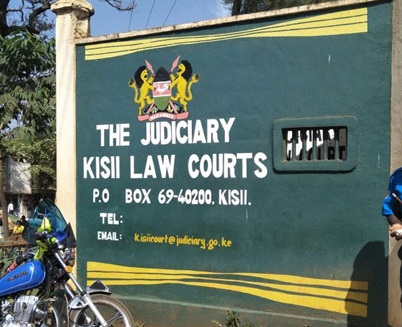
The demand for land has led to the emergence of cartels who steal or grab and sell land to unsuspecting buyers, thus fuelling ceaseless court disputes, conflicts and murders. Information from the Kisii High Court Civil Registry indicates that the Land and Environment Court has a backlog of 344 pending land cases. In order to speed the hearing and determination of the cases, the court currently handles cases which are above Sh20 million. The rest, which are below Sh20 million, are being handled by the lower courts.
One tactic the land-grabbing cartel uses is disinheriting families from their ancestral land through fraudulent acquisition of court orders and letters of grant.
To stem the trend, Kisii resident judge David Majanja has introduced stringent measures. In a comprehensive memo seen by the Star, Justice Majanja directed all paralegal staff, magistrates and judges to implement a new policy that will guarantee the integrity of court documents, particularly succession matters.