On October 23, the Water Resource Authority (WRA) published a proposal to review the riparian boundary of Lake Naivasha from 1,892.8 metres above sea level to 1,888 metres.
Local fishermen, fish traders, boat and hotel owners and members of the Lake Naivasha Riparian Association are, however, strongly opposed to the move, saying that it will not only worsen the human and hippo conflicts, but will also adversely affect the fishing industry and destroy the lake’s biodiversity, which is crucial for tourism.
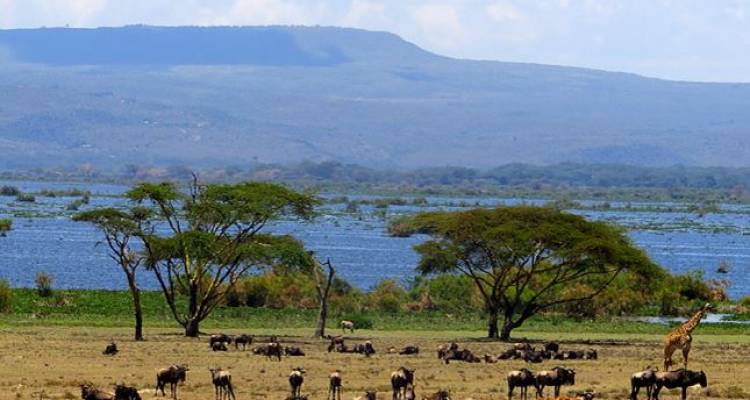
Covering over 140 square kilometres, Lake Naivasha — which derives its name from the local Maasai word Nai’posha meaning ‘receding waters’ — is a Ramsar world heritage site and home to some of the world’s rare birds, other wildlife and plants.
African fish eagle — one of the continent’s most loved birds, known for its graceful aerial skills and distinctive plumage — is among the birds that not only nest in the woodlands around the lake, but are major tourist attractions.
Lake Naivasha Riparian Association manager Silas Wanjala explained that riparian lands around any water body protect it from pollution.
He said the papyrus fringe around the lake purifies the water, noting that bringing the boundary closer to the reeds will expose the habitat and pollute the lake.
Mr Wanjala said the hived-off pieces of land — estimated to be over 100,000 acres — would be surrendered to the National Land Commission and could be redistributed to influential individuals.
[Article source: Daily Nation, by Leopold Obi]